Featured Posts
Flu Shot Symptoms and who should get a flu shot
It's time for your flu shot this year, and you want to know who should get a flu shot. It's important to avoid the flu and stay h...
10/3/17
Is a Coffee Habit Impacting Your Bone Health?
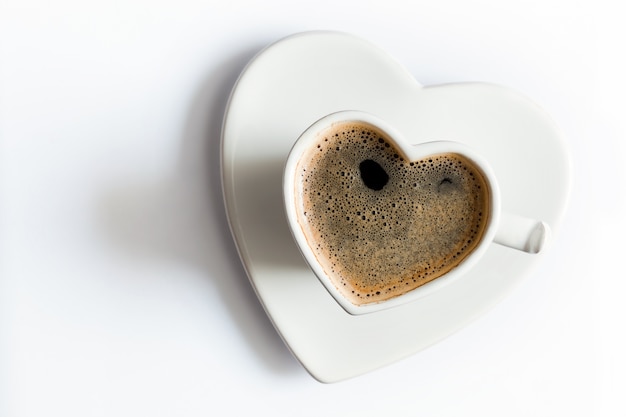
Coffee wakes you up in the morning, perks you up in the afternoon, provides a premise to meet with pals, and caps off a meal just right. But does it affect your bone health and make you more susceptible to fractures and falls?
The New York Times Well blog recently considered that very question, reassuringly citing a systematic review of the effects of caffeine – including from coffee -- published in the journal Food and Chemical Toxicology that concluded that daily coffee drinking “is not associated with significant concern regarding the risk of fracture and fall,” particularly for adults who are healthy and have enough calcium in their diets.
5 Common Stomach Problems That Could Signal Serious Health Issues
All of us get a little gassy or stopped up from time to time or feel the burn after a giant Mexican dinner. But there’s a point when these symptoms aren't normal and could even be a sign of something more serious. “An off day here or there, especially if your schedule, diet, or lifestyle has changed, is fine. But if there is a sudden change or one that persists without clear explanation, it’s a good idea to get a gastroenterologist involved,” says James F. Marion, M.D., Professor of Medicine and Gastroenterology at the Icahn School of Medicine at Mount Sinai. Here’s what to look out for with some of the most common stomach problems, what it could mean, and when to see a doc.
Heartburn
If you’ve never had heartburn before (other than after a spicy or super-sized meal) and you’re suddenly experiencing burning on the regular without a specific trigger, it’s time to call your doctor—especially if you have other symptoms like weight loss, the feeling that food is getting stuck in your throat, or blood in your stool. You could be one of the estimated 20 percent of people, according to the National Institutes of Health (NIH), with gastroesophageal reflux disease (GERD), a condition where stomach acid causes inflammation and narrowing of the esophagus, says Marion. Since heartburn can lead to serious complications including ulcers and asthma, you shouldn’t suffer in silence—the right medications usually nix symptoms.
Some people also confuse heartburn with chest pain, since the burn often hits between your chest and abdomen. “Once people hit their forties, they take it more seriously. Severe heartburn can feel like angina, and it can be hard to distinguish the two,” says Marion. That’s why it’s all the more important to see your doc and get checked if you’re experiencing what feels like an unusual new bout of heartburn.
9/29/17
Why filling up on healthy food from avocados to coconuts might be doing your body more harm than good
Experts say that excessive consumption of anything will put your body under strain to process it
We’ve all felt virtuous (and spent a small fortune) piling our trollies high with goji berries, coconut oil and avocados, or scoffing a bag of nuts instead of a biscuit.
But it might be time to step away from the cashews, because even when it comes to “healthy” foods, it seems you can have too much of a good thing.
“Excessive consumption of any one food, however ‘super’ it claims to be, puts your body under strain to process it,” says dietician and author of Unmasking Superfoods Jennifer Sygo.
“There are many people who think just because a food is placed in a health-food store they can eat it every day, and that’s just not the case.
"Many of my clients struggle with losing 5-10lb because they’re eating all the right things, but they’re eating too much of them.”
So here’s the good-for-you grub you might want to dial down on…
Avo-oh-no
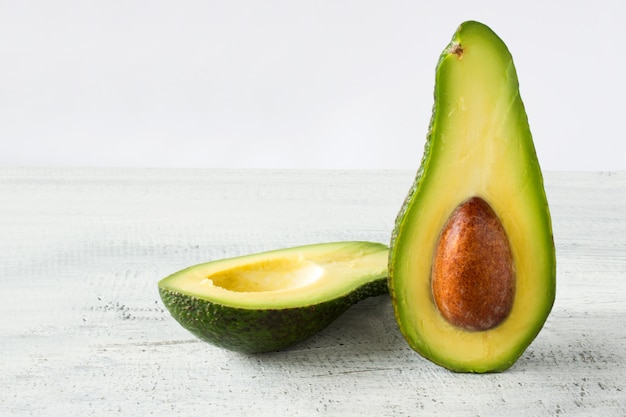
It may be hugely Instagrammable, not to mention full of good fats for skin and heart health, but scoffing more than half an avocado a day is also a whole lot of “fat” fat.
“A single avocado contains 22g of fat – almost a third of your recommended intake for the whole day – and around 270 calories,” says Jennifer.
Eat traditional foods for health, function
![]() |
| Freepik.com |
Connection to nature is vital in our understanding about what to eat.
Too many of us have lost touch with the earth and that disconnection is destroying our health.
We place our manicured feet in fancy shoes that press on gas pedals rolling fast over paved streets.
We walk on varnished floors in slippery heals.
We ride escalators and elevators and spend our days floating above the earth.
We sleep stories up on beds perched upon hovering floors.
We eat food that has been processed to such a degree that it no longer reveals any semblance of the earthly product it once was.
No wonder life feels so precarious.
Nowhere is this more evident than in the the shiny packages and obscenely colored, artificially flavored foods we consume.
Forget calorie counting: Healthy food habits for your child
Two experts tell Sharon Ní Chonchúir how parents can ensure a healthy diet for their child. Watching portion size and the treats are both key
WE appear to be in a constant panic over children and their diets. Earlier this month there was widespread shock at the news that school uniforms with 46in waistlines are now being sold to Irish primary-school children. In Britain, health officials called for calories in popular foods to be cut amid concerns children are consuming too much.
Today, 25% of children in Ireland are overweight or obese. What should worried parents do? Should they try to cut back on their children’s calorie intake?
Dietician Sarah Keogh thinks not. “A child’s calorie needs vary so much,” she says. “They may go through a growth spurt or a time when they are doing a lot of exercise, which means they need more calories than at other times. Calorie counting can just make things difficult for parents.”
Official guidelines suggest that school-age children need between 1,600 and 2,500 calories a day, depending on their age, body weight, and activity levels. But instead of focusing on numbers, Orla Walsh, a dietician with the Dublin Nutrition Centre, thinks it might be better to look at the nutritional value of food.
WE appear to be in a constant panic over children and their diets. Earlier this month there was widespread shock at the news that school uniforms with 46in waistlines are now being sold to Irish primary-school children. In Britain, health officials called for calories in popular foods to be cut amid concerns children are consuming too much.
Today, 25% of children in Ireland are overweight or obese. What should worried parents do? Should they try to cut back on their children’s calorie intake?
Dietician Sarah Keogh thinks not. “A child’s calorie needs vary so much,” she says. “They may go through a growth spurt or a time when they are doing a lot of exercise, which means they need more calories than at other times. Calorie counting can just make things difficult for parents.”
Official guidelines suggest that school-age children need between 1,600 and 2,500 calories a day, depending on their age, body weight, and activity levels. But instead of focusing on numbers, Orla Walsh, a dietician with the Dublin Nutrition Centre, thinks it might be better to look at the nutritional value of food.
Subscribe to:
Posts (Atom)