Featured Posts

Flu Shot Symptoms and who should get a flu shot

It's time for your flu shot this year, and you want to know who should get a flu shot. It's important to avoid the flu and stay h...

10/31/17

Halloween can be hazardous to eye health


WASHINGTON — Playing dress up at Halloween can pose potential hazards if decorative contact lenses and eye makeup are part of your costume.

“So, you want to look like a zombie, or you want to look like vampire and that sort of thing, but what you’re seeing through is just a very, very small little hole in the middle of that lens,” Coastal.com in-house optician and eye health expert Christopher Day said.

“A lot of these cosmetic Halloween lenses, the decorative lenses, have little small holes in the middle for you to see through and the entire rest of that contact lens is all design.”

Vision already limited can become completely blocked


Day said decorative lenses can be dangerous if they’re either too loose or too tight and slip down past your pupil.

“While you blink it back into place, or shove it back into place — that half second or that one second — if it happens at the wrong time there could be some very, very serious consequences,” Day said, especially if you’re behind the wheel driving.

Poor lighting can add to potential problems

Whether you’re trick-or-treating, at a party or driving, lots of Halloween-related activities happen in low-light conditions, and Day said combining that with diminished vision can present problems.

“You could be tripping over something; you could be crossing the street and look for oncoming traffic — you might not see that traffic,” Day warned.

Problems with the fit can harm eye health


“The [lens] material is one thing; the fit is a completely different matter,” Day said. “You can have an FDA-approved contact lens material, but if you have not had an eye care professional check that lens [for proper fit] on your eyes, you have no guarantee of the safety of that lens.”
Some of the things the can happen, according to Day, include: scratching your cornea while trying to remove an improperly fitted contact or oxygen deprivation in the eyeball if the lens is too tight.

“Your eye is the only structure in your body that doesn’t get oxygen from blood. It gets all the oxygen from the air,” Day said.

“When the contact fits too tight, you’re risking suffocating your cornea.”

An oxygen-deprived cornea can become swollen with extra water and turn from clear to slightly milky-colored and foggy. And it can become hard to see through, which indicates damage is occurring.

“It is reversible; the eye is a very, very, very resilient mechanism. But, it’s best to be safe,” Day said, adding that if you suspect something is going on, you should go to your optometrist.

It’s best to be stingy with eye makeup

When gathering with friends to get costumes ready, Day warns about the potential hazards related to sharing Halloween eye makeup. These include infections, corneal ulcers and sty.

“Make sure you’re not sharing any makeup application products, such as brushes or pencils,” Day said.

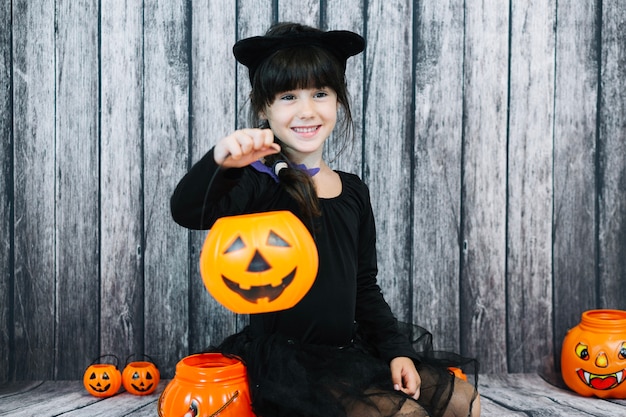
How to Make Halloween Safe for Kids With Food Allergies


Halloween is a candy-fest for children, but if your child suffers from a food allergy, an innocent piece of candy can pose a serious, life-threatening reaction. Here’s some alternatives to candy and a way to alert trick-or-treaters that your home is allergy aware.

If your child has food allergies, they don’t have to feel left out during treat-based holidays like Halloween. Through the Teal Pumpkin Project, households are displaying signs and teal pumpkins to show trick-or-treaters that their home is allergy-friendly.


Healthy Eating for a Healthy Meeting


Lunchtime often provides a crucial moment to refresh during a hectic workday, conference or meeting. But without carefully considering the nutritional value of this midday meal, people can often find themselves in a post-lunch slump, or even tugging at their tightening waist bands as the weeks go by.

Seemingly balanced lunch options can hide a lot of calories. A typical boxed lunch of a turkey sandwich, apple, small bag of potato chips and cookie can stack up to almost 1,400 calories. With national nutritional guidelines recommending approximately 700 calories per meal, eating those extra calories even once a week can add up to gain of more than 10 pounds per year.

Sugary sodas, juices, and other artificially sweetened beverages also play a leading role in sabotaging healthy eating. Michael Moss, author of Salt Sugar Fat: How the Food Giants Hooked Us, asserts that Americans drink 46 gallons of soda and sweetened beverages each year, contributing to consumption of 71 pounds of sugar and 85 pounds of corn syrup annually.

10/30/17

HOW YOU CAN HELP MAKE HEALTHY FOOD A STAPLE ON EVERYONE’S TABLE


For many people, putting healthy, wholesome food on the dinner table is a no-brainer, and a daily thing. But for those living in poverty—or a food desert—it just isn’t that easy. Sure, most people know processed food is bad. But making nutrient-rich meals on a food stamp budget is tricky—especially when you’re short on time and energy. But three big-time names in the food industry are working to make access to healthy food easier, for everyone.

The superstar chefs in question: Seamus Mullen, an award-winning chef, restaurateur, and cookbook author; Bill Telepan, the executive chef of Wellness in the Schools, a non-profit dedicated to, in part, improving children’s health by providing healthy school lunches; and Joseph “JJ” Johnson, the chef in residence at the Chef’s Club, who volunteers in Harlem each week, serving a home-cooked healthy lunch to 89 low-income tenants.

“When you first have children, you start thinking about the food you’re going to give them from birth,” Johnson said at a luncheon hosted by The Horticultural Society of New York to honor the chefs. “I’m a new dad of twins and am already thinking about the type of purees I’m going to feed them. But as your kids get older, you lose focus and forget. That’s when they start eating processed food—and you can’t count on the school to feed them ‘real food’ because many aren’t providing that.”


Are Carbs a Bigger Health Foe Than Fats?


Many people think of fat as being enemy No. 1 in our battle to eat and stay healthy. Just look at all the low-fat and fat-free products that crowd grocery store shelves. But could fat have been unfairly maligned all these years? Is the true dietary foe standing in the way of our health and well being actually carbs?

A recent large international study suggests that may be the case. The study, published in the Lancet, looked at the self-reported diet, cardiovascular disease and mortality of adults ranging in age from 35 to 70 in 18 countries across five continents, following participants for, on average, just over seven years.

The researchers concluded that it was higher carbohydrate intake that was associated with a higher risk for mortality, while fat intake was related to lower mortality.

Those who were in the top 20 percent of carb consumption were at 28 percent higher risk of dying earlier than those in the lowest 20 percent of carb consumption, although higher carb consumption was not associated with a higher risk of cardiovascular disease or cardiovascular-disease mortality.